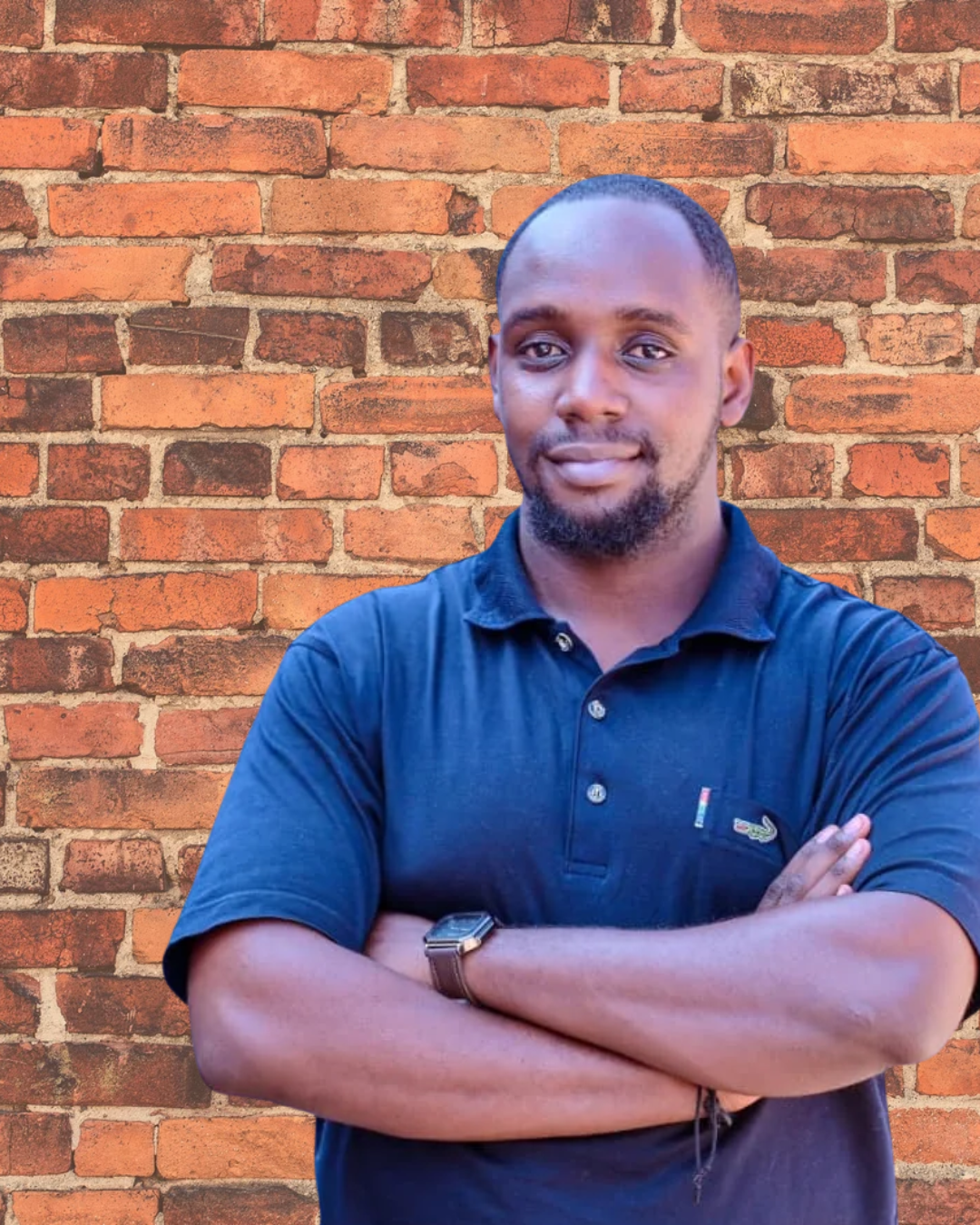
By Chris Tabu
Lessons in integrity, stewardship, faith, and the worship of God through business.
In 2019, my wife and I made a significant decision to venture into business, leaving careers we had each pursued for more than half a decade. She was an HR professional with experience in banking and the solar energy sector, while I was a creative specialist specializing in media production, having led the media department of a network organization advocating for vulnerable children.
We felt we had faithfully served in our respective fields and sensed an opportunity to bring together our skills, passions, experiences, and what we believed God was calling us to do. This birthed Tabu Capital Limited, a company with interests in media production, organisational consultancy, and financial services.
The journey has been both exciting and humbling. More importantly, it has become a classroom in which God continues to teach me what it means to be a Christian in business. First, I have learned that doing business with Christian principles requires intentionality.
From company registration to securing clients, paying taxes, and managing operations, I quickly discovered that the business environment presents numerous ethical challenges. In our early days, we encountered practices in company registration that left me questioning whether we were beginning on the right footing. I realized that just because something is widely accepted or commonly practised does not necessarily make it right. Christian convictions cannot simply be assumed in business; they must be deliberately pursued, even when doing so is inconvenient or costly.
Second, I have learned that winning business can come at a great ethical cost. In Uganda, securing contracts sometimes involves middlemen who influence procurement decisions in exchange for substantial kickbacks. Some demand commissions that significantly inflate the original quotation. The temptation is to participate, knowing that the contract may be secured and the initial costs recovered. However, such arrangements often lead to inflated invoices, dishonest accounting, and tax evasion, and most of all dishonour to God.
What initially appears to be a business opportunity can quickly become a web of dishonesty. I have learned that not every contract is worth winning, particularly when winning it requires compromising one’s conscience. Third, I have learnt that I must resist the temptation to measure my success against others. It is easy to look at businesses that appear to be growing rapidly and wonder what they are doing differently.
Sometimes, the difference is their willingness to participate in practices we have chosen to avoid.
This raises an important question: Why must I grow at the expense of truthfulness, honesty, and integrity? What does it profit me to build a successful business while gradually losing my conscience? Scripture reminds me that gaining the whole world at the expense of one’s soul is a terrible bargain.
Growth is desirable, but not every growth path is worth taking. Fourth, I have learned that God cares about the ordinary details of business. Integrity is not merely about avoiding grand acts of corruption. It is also reflected in how we quote for work, honour agreements, repay debts, treat clients, pay taxes, and deliver on promises.
Sometimes, the compromise begins with seemingly harmless things: borrowing money without a genuine intention to repay promptly, overcharging clients because we can, or delivering work below the agreed standard to increase our margins. Yet God calls us to honesty, diligence, excellence, and faithful stewardship. Our Christian witness must extend to our invoices, contracts, financial records, and everyday business decisions.
Fifth, I have discovered the beauty of waiting upon God and trusting His providence. Our responsibility is to work diligently, deliver excellent services, and serve our clients faithfully. However, it is God who ultimately sustains us, provides opportunities, and determines our growth.
We have had to trust Him for clients, salaries for our team, good health, timely project delivery, and the general provision needed to keep the business running. This dependence has been incredibly liberating. It has also opened opportunities to share the gospel with Muslims, people from different religious backgrounds, and those who identify as atheists.
Business has become an unexpected mission field, providing ordinary conversations through which I can share and defend the hope I have in Christ. Finally, I have learned that business can be an expression of worship. At Tabu Capital, we are increasingly challenged to think beyond profitability. We want our work to reflect God’s goodness. Whether through offering services to Christian organisations, supporting struggling clients, or partnering with organizations pursuing meaningful causes, we want to use what God has entrusted to us for His glory. Profitability matters, but it must never become our ultimate pursuit.
Our greater ambition is to honour God in how we work, whom we serve, and how we conduct ourselves, even when we are far from familiar Christian communities. We are still learning, growing, and making mistakes along the way.
But one conviction continues to shape our journey: business is not separate from our Christian calling. It is one of the places where our faith is tested, our character is refined, and our worship is expressed.
We are excited about what lies ahead, not simply because of what Tabu Capital might become, but because of what God might accomplish through it.